


21 Jan If You Expect State-of-the-Art Medical Fitness Design, Your Architect Should Be a User
In choosing an architect, what is the most important question to ask in the selection interview?
“Are you a user?”
Oddly enough, in more than 40 years of providing design services for this specialized building type, I have never once been asked that question.
Reflecting on four decades of experience, leading more than 50 design teams in the creation of more than 50 medical fitness centers for more than 50 clients across more than 50 markets and more than 50 sites, I often ask myself which part of my education and life experience most influenced my work. The answer may surprise some, but it is this: Firsthand knowledge gained as a long-time, active user of medical fitness facilities has been the most valuable guide in my planning and design efforts.
Being a “user” means:
- Understanding how program services are discovered by members;
- How the utilization of space flows throughout the day;
- Where functional friction occurs; and
- What truly supports member engagement and clinical integration.
These insights make the difference between a facility that looks good on opening day and one that will perform well for decades.
Specific insights gained by users include:
- Discovery Matters – Being exposed, in a positive fashion, to activities you may be unfamiliar with and did not intend to seek out.
- Intuitive Wayfinding is Essential – Asking for directions and depending on signage does not make for a joyful user experience.
- Locker Room Functionality – Understanding where privacy is important and where it is not.
- Game Spaces – Be it basketball, tennis, volleyball, squash or pickleball, players know best.
- Spatial Adjacencies – Knowing which adjacencies to insist on and which to avoid.
- Social Spaces must be Intentional – They do not happen by accident.
- Indoor/Outdoor Connections – Thoughtful integration enriches the overall experience.
- Exercise Privacy – Recognizing where it adds value and where openness supports engagement.
The most successful projects continue to be those where Owners and Designers take the time to thoroughly talk through expectations, operations, and desired user experiences before lines are drawn. But those conversations are far more productive when the Architect already understands the language, rhythms, and realities of the user environment being designed.
If a client expects a true state-of-the-art medical fitness outcome, the Architect must be a user.
At OLC, this philosophy is embedded in our work. For more than five decades, and across 45+ years of medical fitness design leadership, we have designed facilities grounded in operational reality, user experience, and long-term performance. We believe the best medical fitness environments are shaped not only by expertise, but by a firsthand understanding of how members use these spaces. Because in medical fitness, great design creates places people want to return to – again and again.
Click Here for OLC’s Medical Fitness Brochure
About the Author
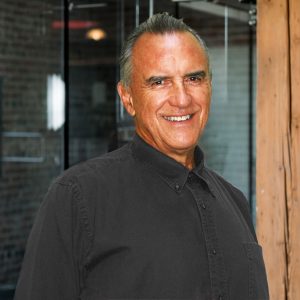
Hervey Lavoie, FMFA, is OLC’s co-founder with Stuart Ohlson and remains actively involved in projects and team leadership, responsible for design inspiration, client-centered creativity and mission fulfillment. In his 50+ years as a licensed Architect, he has designed more than 50 medically-integrated, hospital-affiliated fitness/wellness facilities.
For additional information contact:
Hervey Lavoie
M: 303.888.8665
E: hlavoie@olcdesigns.com