

16 Jun The Rise of Wellness-Centered Community Hubs
By Robert McDonald, Architect & Co-CEO of OLC
How recreation centers, aquatic facilities, and community spaces are evolving into holistic wellness destinations.
Across the country, communities are rethinking what it means to design for health. No longer limited to fitness rooms or single-use facilities, today’s recreation centers, aquatic complexes, and community spaces are transforming into wellness-centered hubs – places that support physical, mental, and social wellbeing for people of all ages.
This shift reflects a broader movement in the built environment: wellness is no longer an amenity, it’s an expectation.
Beyond Recreation: Designing for Whole-Person Wellness
Traditional community centers were often designed around activity: a gymnasium here, a pool there, a few multipurpose rooms in between. While functional, these spaces didn’t always consider how design could actively contribute to overall health.
Today, that mindset is changing. Wellness-centered hubs are intentionally designed to:
- Encourage movement throughout the entire facility
- Support mental health through natural light, views, and calming materials
- Foster connection and belonging through shared spaces
- Provide flexible programming that adapts to evolving community needs
The result is a facility that doesn’t just host activity – it enhances quality of life.
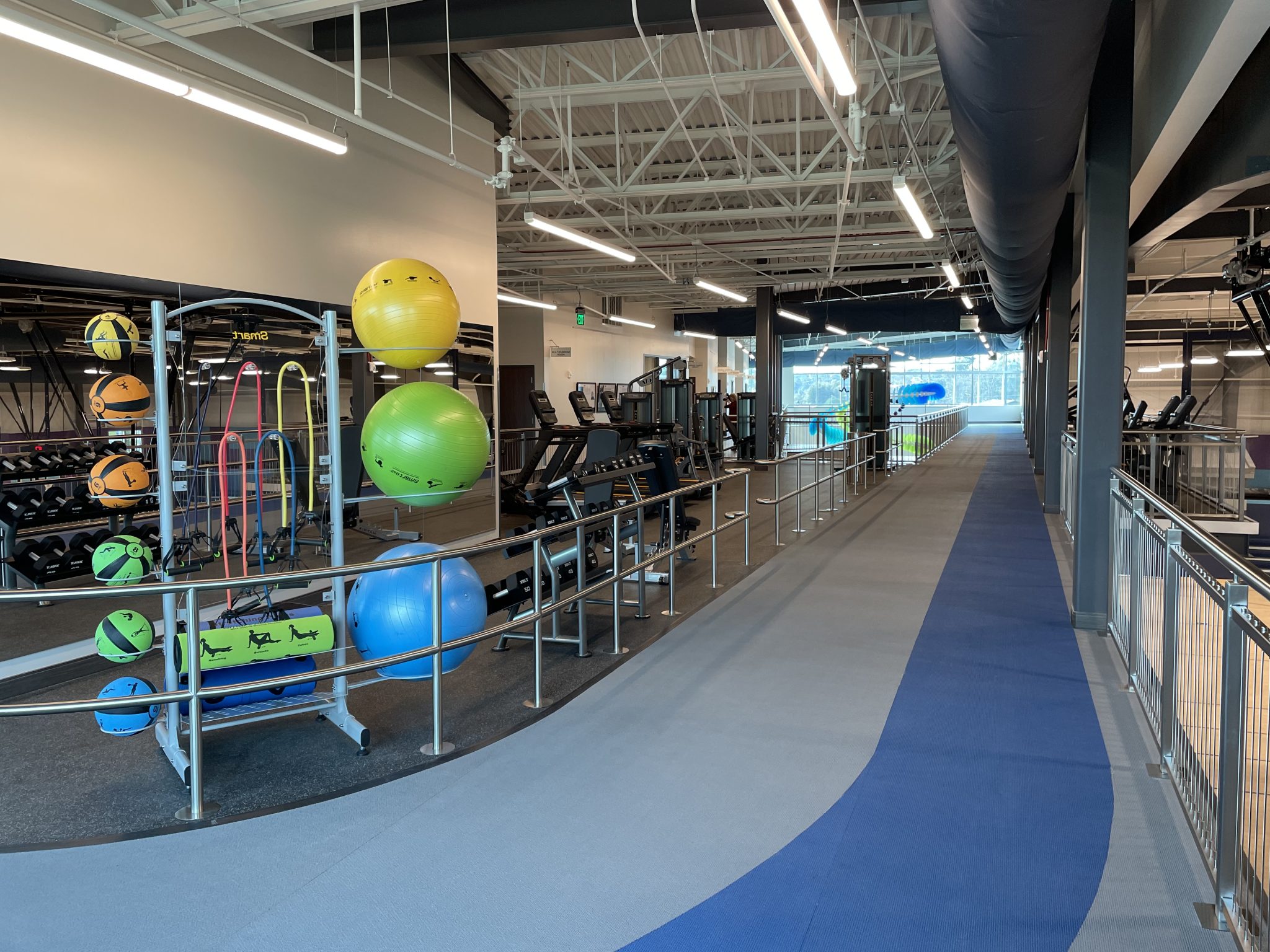
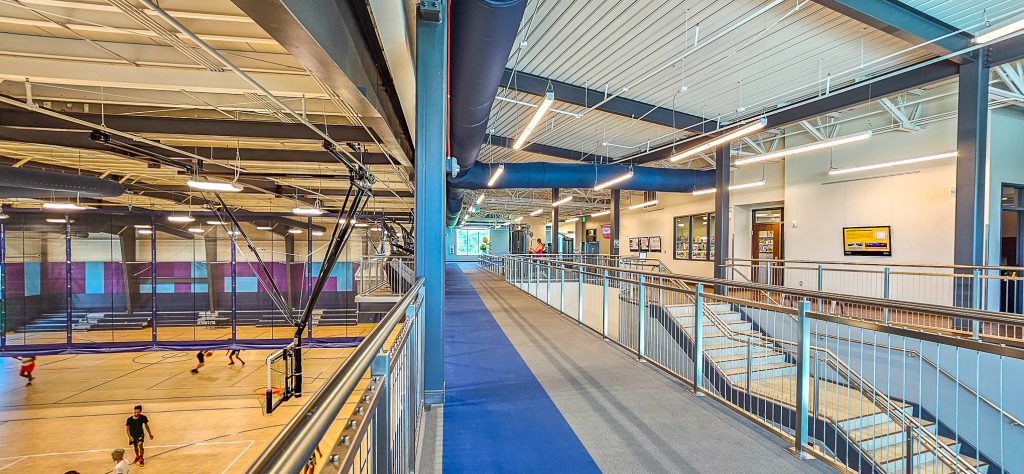
At the Mary Sue Rich Community Center in Ocala, Florida, this philosophy comes to life through a thoughtfully integrated program that includes fitness spaces, an indoor walking track, multipurpose rooms, and gathering areas – all designed to support users of all ages.
Aquatics as a Foundation for Wellness
Aquatic environments play a critical role in this evolution. Water-based programming offers one of the most inclusive and versatile forms of wellness – supporting everything from competitive training to rehabilitation, relaxation, and play.
Modern aquatic facilities are being designed to serve multiple user groups simultaneously, with features such as:
- Competition pools that double as community assets
- Warm-water therapy pools for recovery and low-impact exercise
- Zero-depth entry and interactive features for families and children
- Spaces that encourage both structured programming and informal social interaction
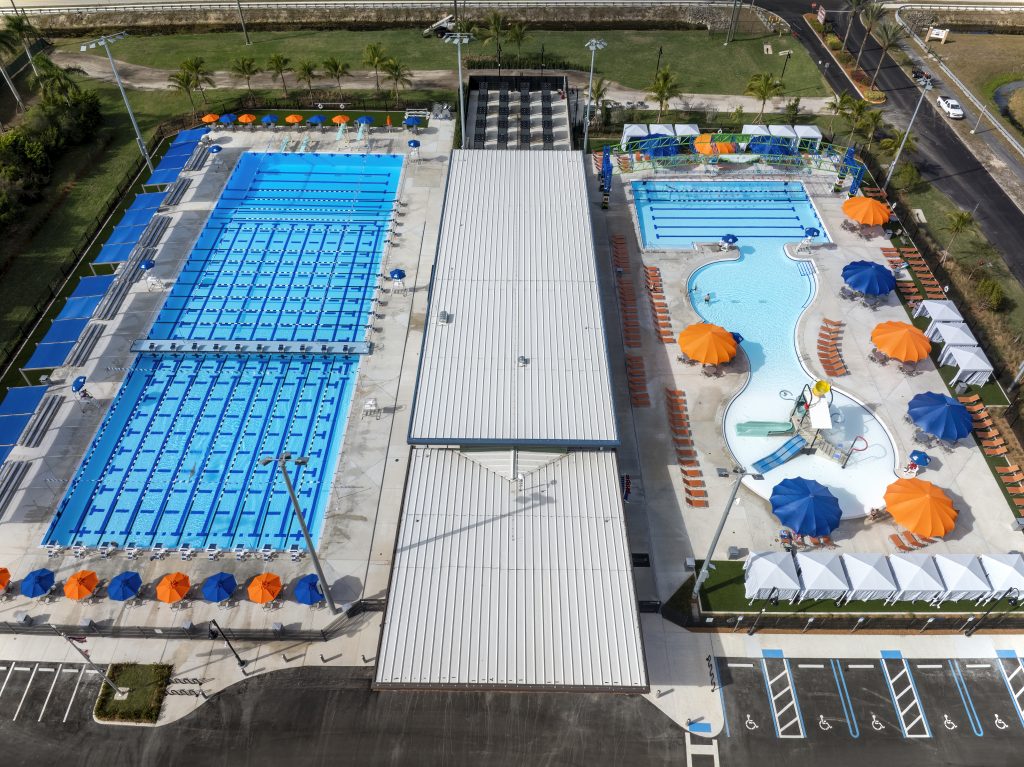
At the Wellington Aquatics Center, in Wellington, Florida, a dual-pool design allows competitive swimming, recreation, and therapy programs to operate simultaneously – creating a dynamic environment that serves both athletes and everyday users.
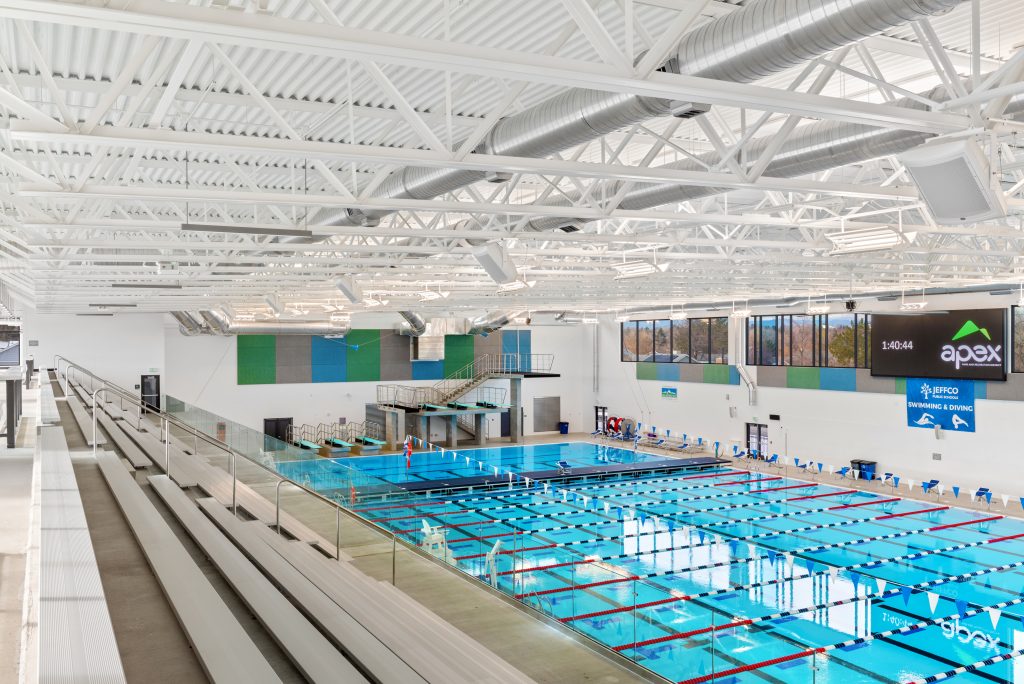
Similarly, facilities like the Arvada Aquatics Center, in Arvada, Colorado, demonstrate how large-scale aquatic venues can support everything from high-level competition to community wellness programming, all within a single, cohesive environment.
By integrating aquatics into a broader wellness strategy, communities can create destinations that are both high-performing and highly accessible.
Designing for Every Generation
A defining characteristic of today’s wellness-centered hubs is multi-generational design.
Rather than creating spaces for isolated user groups, these facilities bring people together – supporting a wide range of ages, abilities, and interests under one roof. This includes:
- Youth programming areas alongside senior wellness spaces
- Walking tracks, fitness zones, and group exercise studios
- Social gathering areas that encourage interaction beyond scheduled activities
- Flexible rooms that can transition from classes to events to community meetings
The Hollywood Reservation Community Center, in Hollywood, Florida, exemplifies this approach. Designed as a multi-generational campus, it blends aquatics, fitness, social spaces, and cultural programming, creating a vibrant destination where families, youth, and elders can connect in meaningful ways.
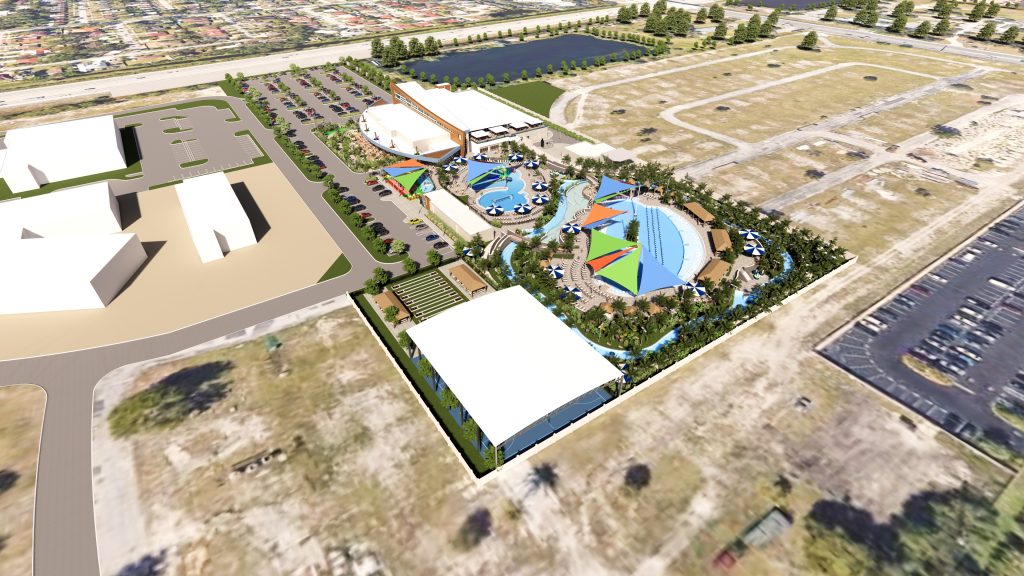
This approach not only maximizes facility use but also strengthens community bonds.
Social Wellness: The Missing Piece
While physical health has long been a focus of recreation design, social wellness is becoming equally important.
Community hubs are increasingly designed to:
- Create welcoming, intuitive entry experiences
- Offer informal gathering spaces like lounges, terraces, and cafés
- Connect indoor and outdoor environments
- Support events, programming, and spontaneous interaction
Projects like the Southern Recreation Center, in Palm Coast, Florida, highlight how even smaller-scale facilities can serve as powerful social anchors, offering spaces that bring people together while maintaining strong connections to surrounding outdoor amenities.
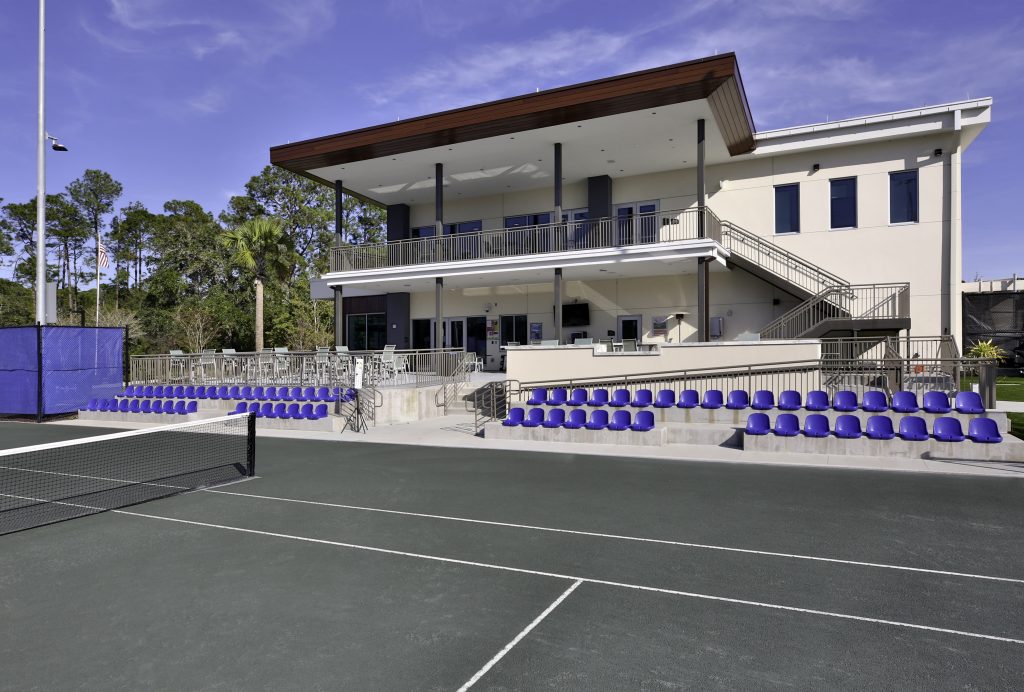
These elements help transform a building into a true community anchor – a place where people want to spend time, not just pass through.
A New Standard for Community Design
At OLC, we’ve seen firsthand how this shift is shaping the future of community facilities. From recreation centers to aquatic complexes, our work is driven by a simple idea: design has the power to improve lives.
By combining thoughtful architecture, integrated aquatics, and a deep understanding of user needs, wellness-centered community hubs are setting a new standard – one that prioritizes health, connection, and long-term impact.
As communities continue to invest in spaces that support wellbeing, these hubs will play an essential role in creating healthier, more resilient places to live.
Looking Ahead
Conversations at the Global Wellness Summit 2026 Wellness Real Estate & Communities Symposium reinforced what many communities are already experiencing firsthand: wellness is no longer a niche consideration in design – it is becoming foundational to how people live, connect, and thrive.
As recreation and community spaces continue to evolve, the future of wellness-centered design will depend on creating places that foster health, resilience, and meaningful human connection. And at the center of that future? Community.
About the Author
As a Senior Principal and Co-CEO, Bob McDonald provides executive oversight for the firm’s Sports, Recreation, and Medical Wellness Design practice areas. As an experienced Project Manager, Bob brings decades of leadership guiding complex municipal and private recreation projects from feasibility through construction. His expertise spans design, detailing, and project management, as well as facility impact studies, programming, and operational proforma development. A recognized industry voice, Bob frequently presents at national conferences for the Medical Fitness Association (MFA), Athletic Business, and various Parks and Recreation Associations on topics of facility planning, design innovation, and operational efficiency.
For additional information contact:
Robert McDonald
O: 561.928.4200