

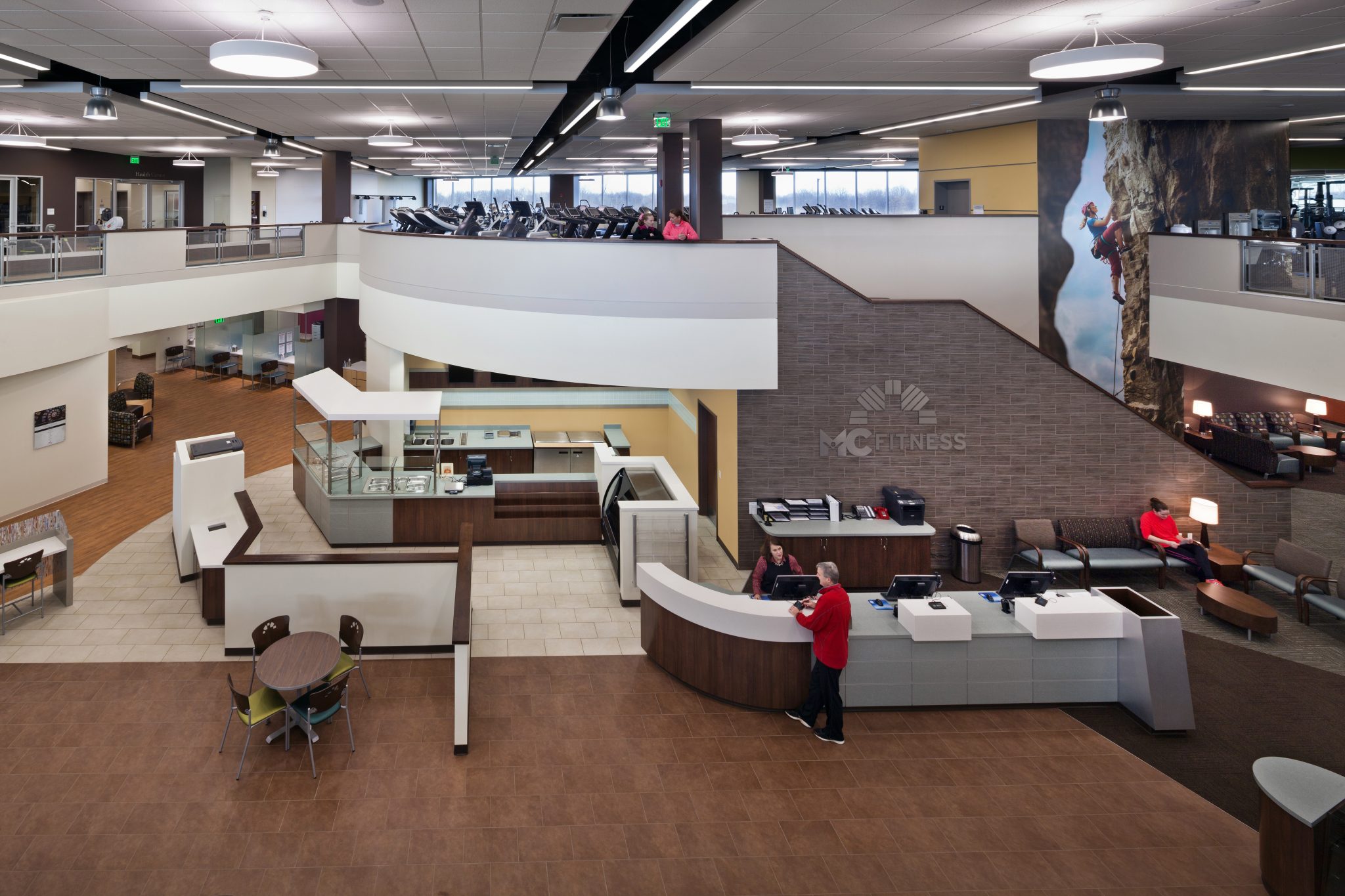
05 Jun A Decade Later: What Would We Want to Change at Mount Carmel Fitness?
By Hervey Lavoie, Architect & Co-Founder of OLC
This blog is meant to parallel the Medical Fitness Summit being conducted this week in Lewis Center, OH, at a facility that OLC was privileged to design in partnership with Davis Wince Architects (DWA) based in Columbus, OH.
I’ve often said that architects do not need to come to the table with all the right answers, but when challenged to deliver state-of-the-art results, when the design begins, they had better show up with all the right questions! With OLC leading the fitness design effort and Davis Wince leading the clinical design effort we launched a design process built on creative collaboration between architects, clients, and other project stakeholders. When that collaboration works, the outcome is better than what any individual party could have produced on their own.
When OLC and Davis Wince were hired by Mount Carmel Hospital to design its integrated Medical Fitness Center, we were able to collaborate with their chosen management company, Power Wellness; their selected developer — The NexCore Group; and numerous Mount Carmel Hospital department leaders.
As I think through the design process that created the Mount Carmel Fitness facility in 2015 – the very facility that will host this conference – I’m intrigued by the idea of how its design might unfold differently if it were being built today, in 2026. The core concept was ahead of its time: a medically integrated fitness and wellness destination that brought outpatient care, rehabilitation, education, fitness, aquatics, and community wellness under one roof.
What might be done differently if this project were programmed, designed and built today? Here are a few possibilities!
Recovery
We called them member amenities back then. Included were steam rooms, saunas, whirlpool spas, massage services, stretching areas, and locker room lounges. Today, recovery is viewed as an essential part of the exercise experience rather than simply an added amenity. We might now expect to see cold plunges, cryotherapy, automated massage devices, recovery-focused programming, and more visible coaching related to nutrition, hydration, and overall wellness.
Nutrition and Social Connectivity
The original design included a well-located café and social gathering space, but at that time these features were often viewed as potential profit centers rather than key components of an enhanced member experience. Today, social connection is increasingly recognized as a critical contributor to both physical and mental well-being. Café spaces, healthy food offerings, and informal gathering areas have become important tools for fostering community engagement and member retention.
Outdoor Programming
With a very limited site area, we did not have much room for outdoor member programming. Had it been a priority ten years ago, I’m sure we could have found a way to incorporate an outdoor turf area connected directly to indoor fitness spaces for group training and functional fitness activities. That feature alone would likely have strengthened the facility’s financial resilience during the challenges of the pandemic.
Today, the importance of non-member community participation is much more widely recognized. Public gathering spaces are often integrated into facility entry zones and serve as staging areas for community wellness events, fun runs, farmers markets, walking clubs, and other activities that connect the facility to the broader community while providing access to shelter, restrooms, and support amenities.
Sports Performance: Golf, for example.
The pandemic awakened a surprising new interest in the game of golf while advances in launch monitor technology transformed the indoor golf experience. Today’s golf simulators can provide training and play experiences that often exceed what can be accomplished on a traditional outdoor driving range. These golf-focused indoor amenities can be incorporated into less than 1,200 square feet of space while generating substantial additional revenue and expanding the facility’s appeal to new user groups.
Gender Diversity and Universal Changing
It is no exaggeration to say that member access and changing room considerations have become important discussions within sport and fitness facilities of all types. We are seeing gender-neutral changing environments considered more frequently than ever before. This approach, often referred to as Universal Changing, has been common in parts of Europe and Canada for many years.
Ten years ago, this concept was not even a remote consideration for most projects. Today, it is increasingly part of the conversation, and I believe that ten years from now it may become a widely accepted solution across much of the industry in this country.
Expanding Clinical Integration
Mount Carmel was at the forefront of medical fitness when it allocated significant space for a diverse range of outpatient clinical services beyond the traditional cardiac rehabilitation and physical therapy programs commonly associated with medical fitness facilities.
In addition to physical therapy and cardiac rehabilitation, the facility included laboratory services, a community health resource center, occupational health, imaging, urgent care, women’s health, primary care, specialty physician services, and more than 17,000 square feet of shell space to accommodate future clinical growth.
Conclusion
If the facility were being designed today, the overall strategy would likely remain remarkably similar. However, we might see emerging additions focused on brain health, orthopedic performance, gut health, longevity medicine, movement assessment, advanced motion analysis technologies and new profitability models for sports performance.
The Mount Carmel Fitness Center remains a powerful example of how thoughtful collaboration can create a facility that continues to evolve alongside changing community needs. Many of the concepts incorporated into the original design were ahead of their time, and the facility continues to demonstrate the value of integrating healthcare, wellness, fitness, education, sports performance and community engagement within a single destination.
While recovery programming, outdoor activation, golf simulation, universal changing environments, and emerging clinical specialties may influence how a similar facility would be designed today, the fundamental lesson remains unchanged: successful medical fitness projects begin with asking the right questions, engaging the right partners, and creating flexible environments that can adapt to the needs of future generations.
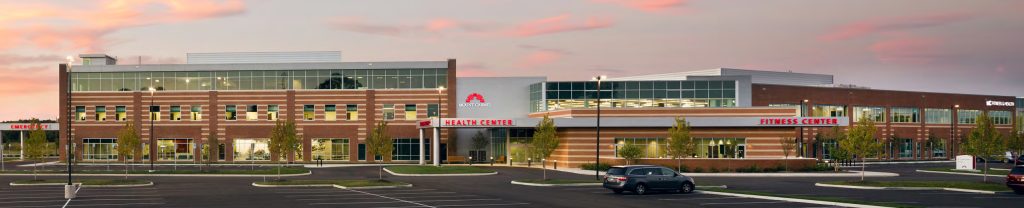 Mount Carmel Fitness Center in Lewis Center, OH
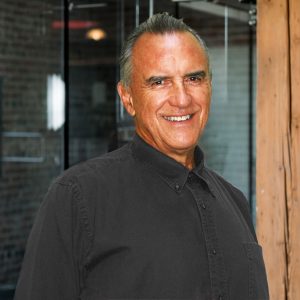
About the Author
Hervey Lavoie is the co-founder and Senior Principal at OLC. In his daily work, Hervey is “hands-on” – actively involved in projects and has team leadership responsibility for design inspiration, client-centered creativity and mission fulfillment. In his 40+ years as a licensed Architect, Hervey has designed in excess of 45 medically-integrated, hospital-affiliated fitness/wellness facilities in the US. In Japan, he led the design of more than 40 fitness centers. Hervey has completed health, fitness, and athletic club design assignments in 47 states and 11 countries.
For additional information contact:
Hervey Lavoie
M: 303.888.8665
E: hlavoie@olcdesigns.com