

10 May Placemaking – The Human Experience
Some places invite us back. Others feel abrasive, almost resistant to our presence. The difference often lies in the art of placemaking, where architecture and interior design come together to create spaces that offer comfort, peace, and a sense of belonging. It’s like creating a human nest. It’s a cozy, safe place which is comforting to the senses, helping us shed the stress of travel and grounding us while away from home.
Placemaking empowers visitors to focus on their trip’s purpose with confidence, whether for business or pleasure, and that energy is often noticed and reciprocated by others. In contrast, spaces without thoughtful design can leave travelers feeling burdened and fatigued. Poor color palettes, harsh lighting, and awkward layouts add subtle, cumulative weight throughout a stay. By the end of the day, these design missteps can leave guests drained and less responsive.
At a spa, placemaking invites full-body tension release, engaging the senses through lighting and aromatherapy. At a sports club, it invigorates and energizes, offering a subtle challenge: “Let’s see what you’ve got today.” Envision the subtle placemaking nuances between a sporting club, a Florida 5-star beach resort or a NYC Broadway theater visit. Each experience is shaped by the space that holds it.
OLC Architecture, Interiors, and Aquatics has been shaping communities through placemaking for over 60 years. From award-winning fitness venues and unforgettable spa retreats to the revitalization of historic boutique hotels, our work reflects a legacy of thoughtful, experience-driven design—and that’s just the beginning.
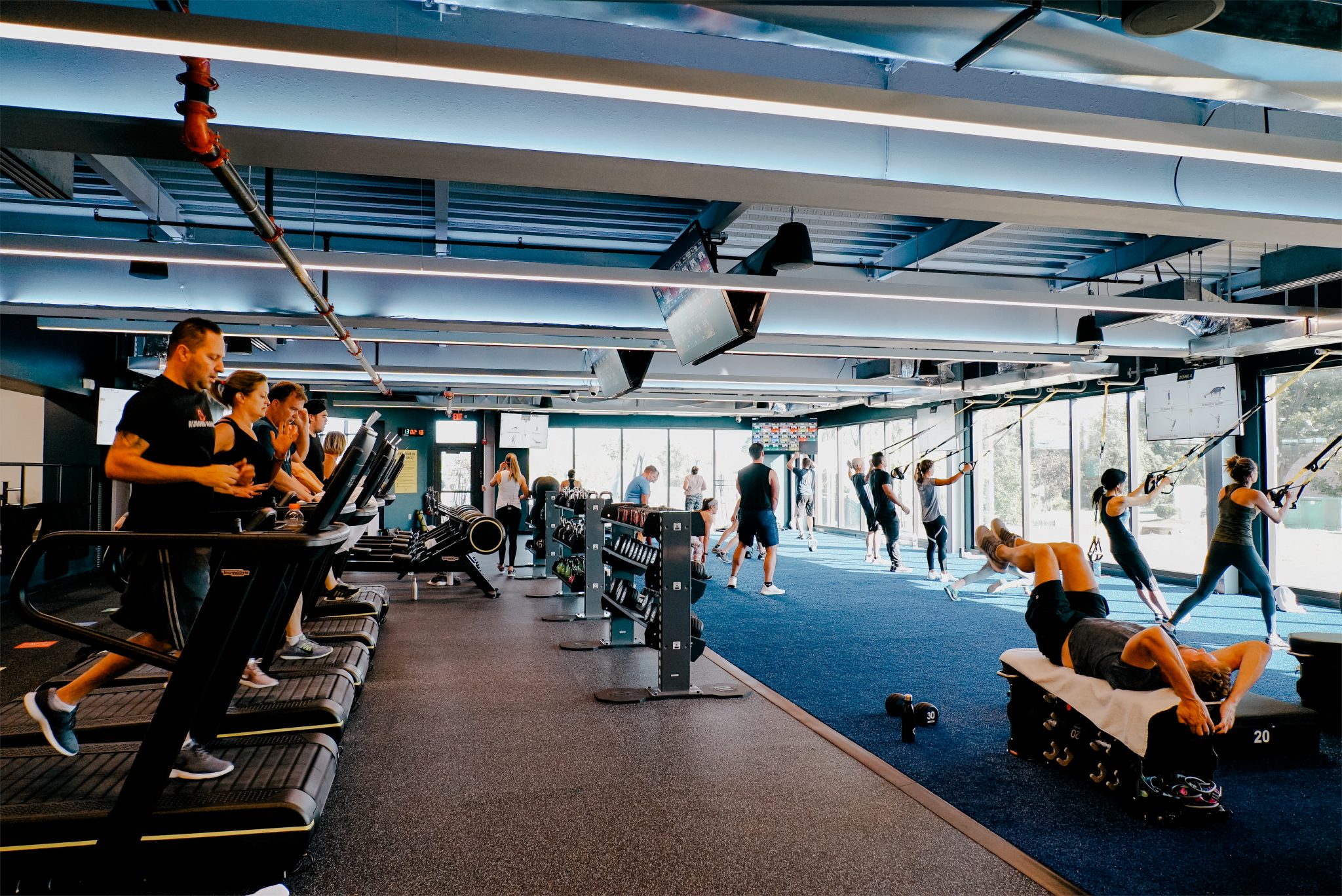
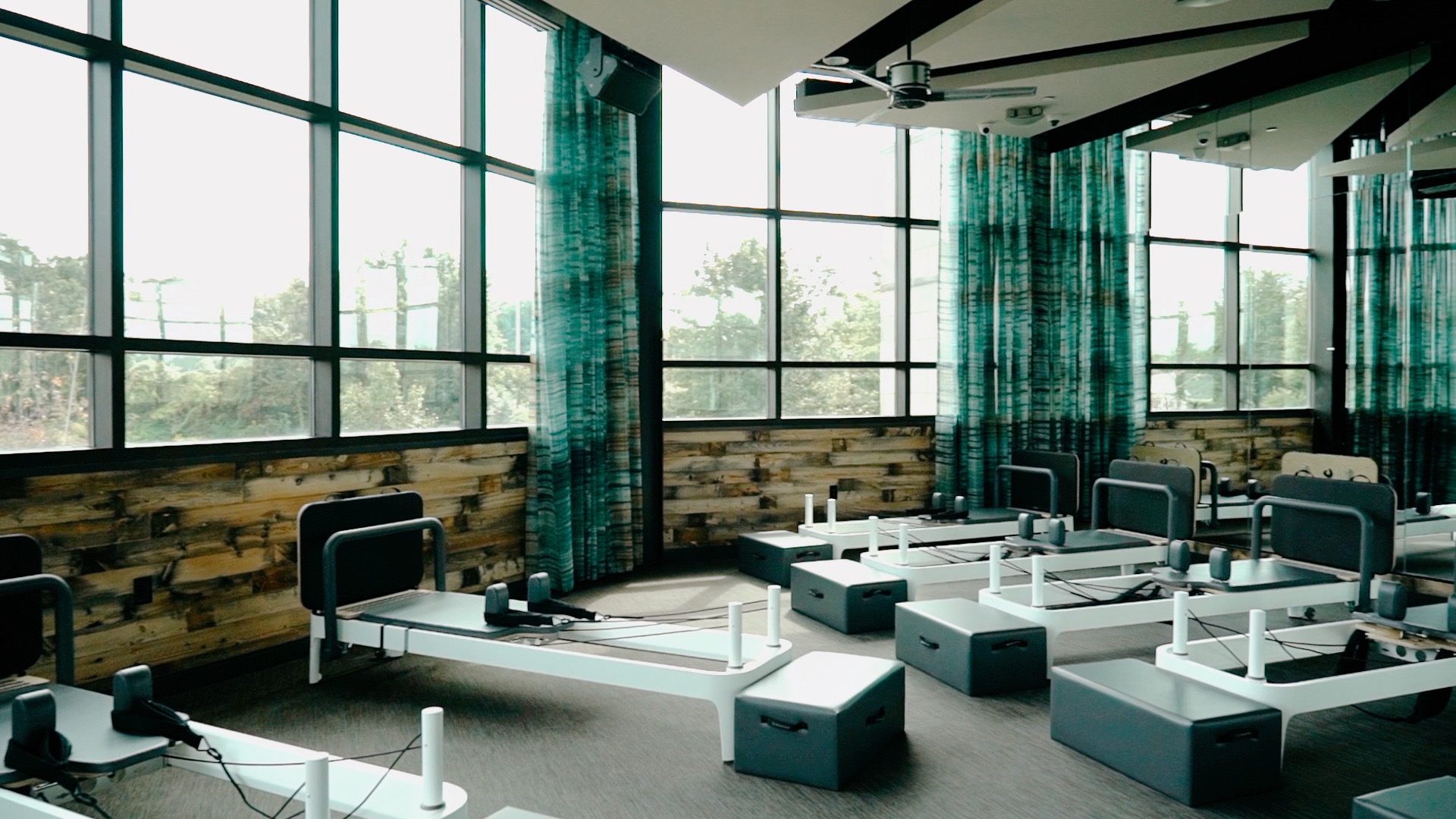
Fitness / Sporting Venues
Our Fitness and Sporting Venues are all about activating fitness enthusiasts to feel energetic. People expect their fitness venues to be spotless and clean. Convenience and accessibility help members glide through the facility efficiently and safely so they can focus on getting in and getting done with a high level of satisfaction.
What are the elements critical to achieving this?
- Lighting: Even and brighter color distribution and illumination is more flattering and provides a sense of cleanliness and safety.
- Color: While the days of multiple colors stimulating the club member are gone, the stimulation now comes from a more neutral palette with highlights of interesting textures, forms and a consistent color integration.
- Circulation: Open and unrestricted yet controlled flow of members and gated access are important as the club owner can now better manage the accounting of activity and safety of club members.
- Intimacy: A sense of community is important, but so is the ability to retreat into one’s own space to focus on the self-care that fitness offers. This is accomplished through strategic placement of lounge seating, communal areas, and private zones.
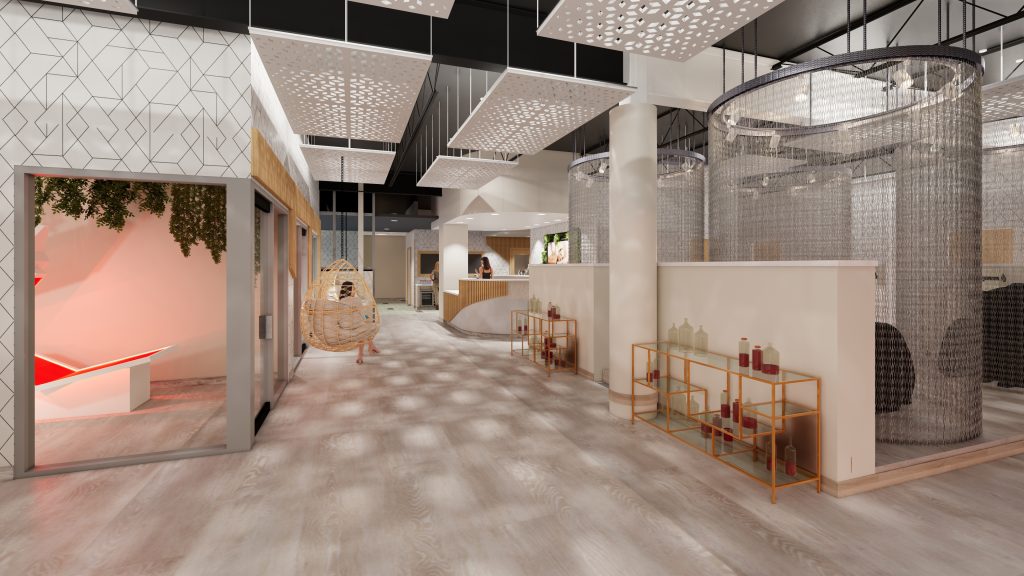
Spa / Rejuvenation Venues
Our Spa Venues allow serenity seekers to release and let go of all their stress by giving them the full mind / body experience of relaxation, whether it be with modern or more organic décor.
- Lighting: Skimping on the lighting design is where most design firms fail. OLC creates different zones using brighter accent lighting combined with low lights to define the spaces. Lounge and relaxation spaces are best at a slightly lower/warmer light, while aesthetician spaces require brighter lighting.
- Color: Interestingly, this has a great deal of variety; the palette may range from an organic neutral and biophilic palette to a higher design/ elegant vibe using deep saturated colors.
- Circulation: First vibe in the door sets the expectation for the whole visit. Within seconds, this moment either disappoints or raises the visitors’ expectations. This is critical to providing a welcoming, trustworthy, and comfortable experience. Comfortable lounge seating, combined with intimate circulation, provides a sense of personal attention.
- Intimacy: Similar to the circulation, the guest experience should feel very personal and exclusive.
Resort VS. Urban Venues
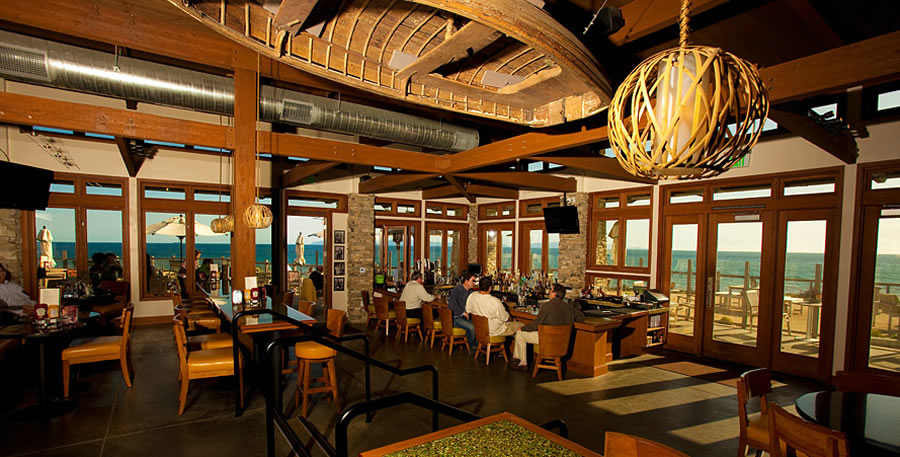
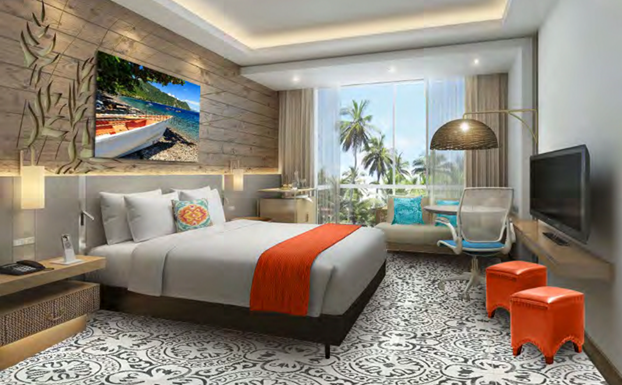
The sense of place is the most important in the hospitality environment. The expected guest experience requires the elements of design to speak directly to the experience.
- Lighting: Mood is the name of the game. Whether a vibrant, high energy urban bar or a low key, relaxing beach bar, the lighting will determine if the place is forgettable or memorable.
- Color: The destination is the source of the color palette. The guest connection to the location, history, story of the place is critical to the success of the venue. Brand hotels can no longer offer the same look and feel in Indiana and Maui.
- Circulation: Way finding is particularly important where the guest is usually very unfamiliar with the venue offerings, their locations, and directions. The path between spaces needs to be interesting and visually pleasing. It should be exciting to explore the venue.
- Intimacy: In hospitality this is dependent on the end use of the venue. For an urban business environment, personal space is critical, while in a resort setting, the combined energy of the other guests around the pool adds to the experience. An intimate dinner also is enhanced by the gentle hum of the other patrons, providing there are sound absorbing materials and/or visual breaks between groups.

About the Author
Brenda Amsberry is a Principal and Senior Interior Designer, responsible for business development, initiating interior design concepts and directing design development and documentation throughout design and construction.
For additional information contact:
Brenda Amsberry
O: 303.294.9244
M: 303.919.5288
E: bamsberry@olcdesigns.com
Click here for OLC’s Hospitality and Resort Design Portfolio
Planning a new hotel, fitness center, or spa? Let’s collaborate to design a welcoming, memorable destination that elevates the guest experience and stands the test of time.
Contact Us Today to Start the Conversation!
marketing@olcdesigns.com