


27 Mar A Unified Architectural + Interior Design Workflow
Why Integrated Teams Deliver Better Buildings
“The most successful buildings come from teams who think, and work, as one.”
It’s not a feel-good tagline; it’s the difference between a project that glides to the finish line and one that stumbles there trodden with last-minute fixes. When architecture and interior design operate as separate tracks, even the best intentions can get lost in translation. But when the workflows are integrated from day one, the entire project benefits from a level of continuity that simply can’t be unnoticed.
That’s why a unified design approach is not just helpful, it’s imperative. Early collaboration ensures the integrity of the design stays intact from the largest exterior moves down to the smallest interior millwork reveal. Anyone who has watched a storefront mullion misalign with an interior datum understands how quickly design quality can unravel when teams work in a silo. With a fully integrated workflow, those missteps get caught and resolved before they ever reach a drawing set.
At OLC, our most successful projects are made possible because we keep interiors in-house. This single decision eliminates the typical discipline gaps that slow projects down and create inconsistencies in the built environment. Instead of two teams working in parallel, and sometimes at odds, our designers work inside the same model, speak the same design language, and solve problems together in real time. It’s not just collaboration; it’s co-creation.
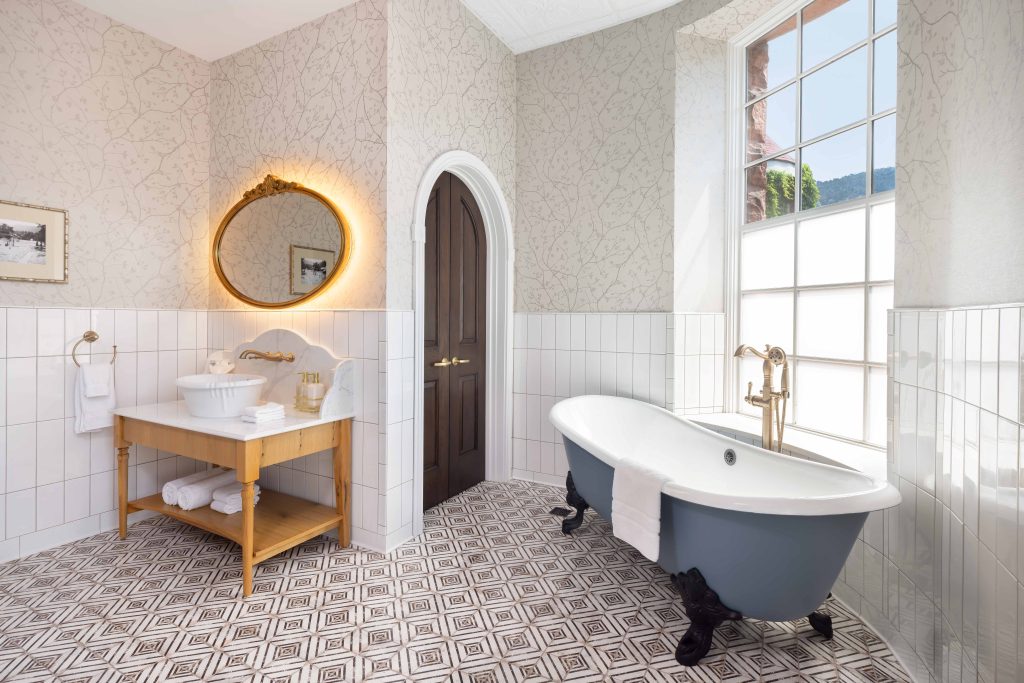
Working this way changes the entire project chemistry. Architects understand interior requirements earlier, which means they’re designing with actual end-user needs in mind rather than guessing halfway through. Interior designers influence detailing long before documentation, which means decisions about structure, mechanical routing, or envelope strategy already consider the spatial experience. There’s no late-stage panic when a finish concept suddenly conflicts with a structural beam or a lighting layout doesn’t respect the architectural rhythm. Everyone’s on the same page from the beginning.
This unified approach also brings speed, real speed. When big decisions, small decisions, and everything in between happen with both disciplines at the table, the design cycle tightens. Fewer rounds of back-and-forth. Fewer redesigns. Faster material alignment. And most importantly, a consistent design logic that carries through every level of the project. From the site plan to the ceiling grid, every choice feels connected, because it actually is.
Clients notice the difference long before construction starts. Coordinated drawing sets “speak with one voice,” which means the intent is clear, concise, and easily interpreted by the field workers. During construction, this clarity reduces RFIs, minimizes field conflicts, and creates a smoother path to completion. Contractors appreciate the lack of guesswork. schedule predictability that comes with it. Owners appreciate the lack of change orders. And everyone appreciates the improved schedule predictability that comes with it.
Clients notice the difference long before construction starts. Coordinated drawing sets “speak with one voice,” which means the intent is clear, concise, and easily interpreted by the field workers.
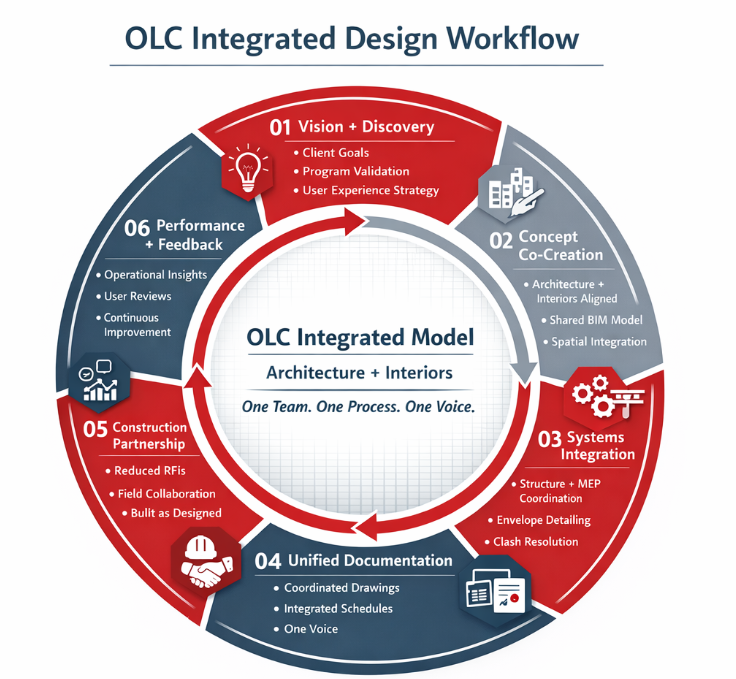
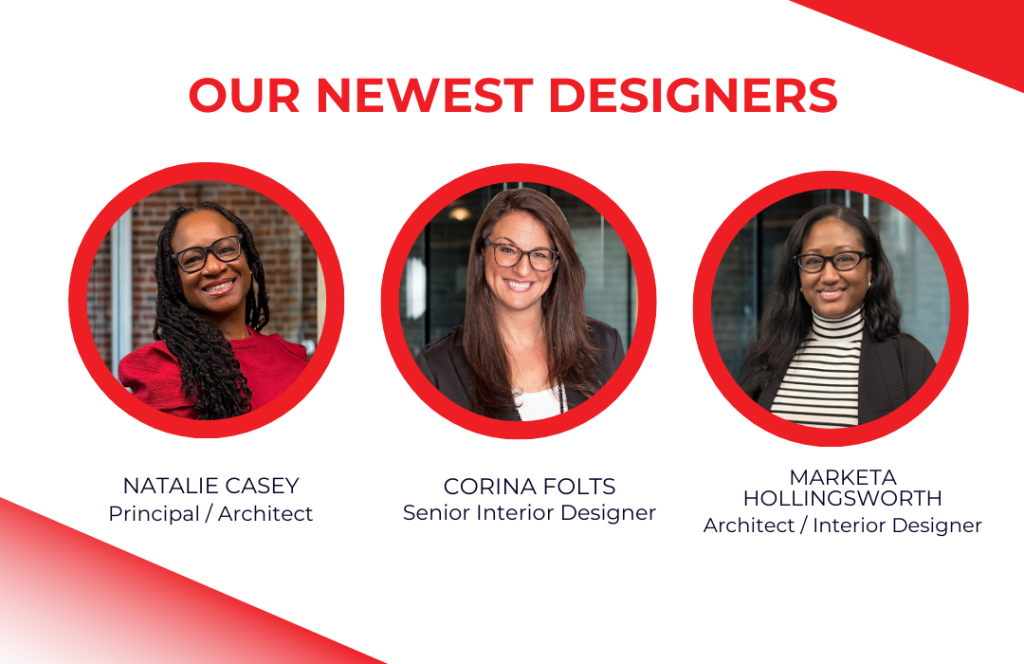
As OLC continues to expand its interiors team across all offices, we’re doubling down on this integrated workflow. A broader team means a broader range of expertise: hospitality, workplace, education, sports, wellness, healthcare, aviation and everything in between. This diversity strengthens our collective design vocabulary and sharpens our ability to create environments that perform just as well as they look.
The expansion is not just about headcount; it’s about elevating our entire process. More hands doesn’t automatically make better work. But the right hands, connected through a shared process, absolutely do. Our growing team brings fresh insight, nuanced problem-solving, and new perspectives that deepen our ability to serve clients in meaningful ways. We’re excited to bring these voices into the fold as we launch into 2026 with renewed energy and ambition.
For clients, the benefits are tangible. Integrated teams simply produce more cohesive buildings. Spaces flow better. Materials align more naturally. The user experience feels deliberate rather than patched together. Performance improves because systems are coordinated holistically. And the project moves with greater precision because decisions aren’t being made in a vacuum.
And let’s not forget the human side of this. When a client sits down for a design meeting, they’re not bouncing between separate teams with separate agendas. They’re talking to one unified force, architects and interior designers aligned around shared goals, shared information, and a shared commitment to the project’s success. Spur of the moment collaboration that evolves from listening over your shoulder as your lead architect struggles with a design decision and jumping into a sketch session is where real design happens. Strengthening our team through integration of skill sets translates to confidence from our clients.
At the end of the day, the result is simple: a project that works. A building where every line, junction, and material choice feels intentional, because it was shaped collaboratively by a team that functioned as one from the very beginning. A construction process that’s smoother and more predictable. A final environment that reflects thoughtful, integrated design rather than disconnected pieces forced to coexist. When architecture and interior design move together, the building isn’t just coordinated, it’s cohesive, functional, intuitive, and genuinely aligned with the client’s goals.
That’s the power of a unified workflow. And it’s why we’re committed to strengthening it every step of the way.
That’s how better outcomes are truly built.

About the Author
Natalie Casey is a Principal / Architect with over 20 years of design experience. She leads projects with a commitment to crafting innovative, community-driven environments. Responsible for facilitating the project team, assuring all disciplines are properly integrated and providing clients with collaborative experience.
For additional information contact:
Natalie Casey
O: 407.992.0470 Ext: 4008
M: 407.680.1655
E: ncasey@olcdesigns.com
Click here for OLC’s Design Portfolio