

22 Aug The Psychology of Space
“True comfort is created when design speaks to the senses as much as it speaks to the eyes.”
Interior design reaches far beyond what we see. It quietly shapes how we feel, think, and interact. Every choice, from the way light falls across a room to the texture beneath our fingertips, can shift our mood and energy. When we understand these psychological cues, we can create places that not only look beautiful but also support health, focus, and joy.
1. Spatial Layout and Furniture Arrangement
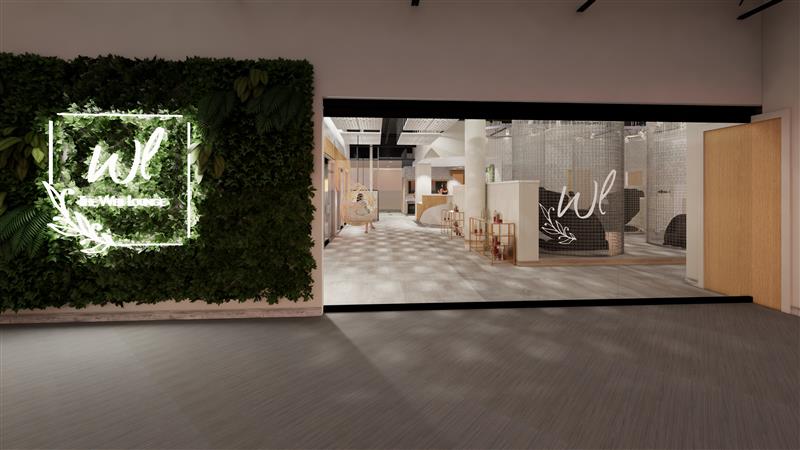
A space speaks through its arrangement. The right layout guides movement with ease, invites conversation, and gives a sense of balance. In a living room or communal space, seating that faces inward encourages connection. In work areas, open layouts spark collaboration, while tucked away corners offer private retreats for reading, reflection, or meditation. Spaces that flow naturally feel lighter, more welcoming, and far less stressful.
2. Lighting: Natural and Artificial
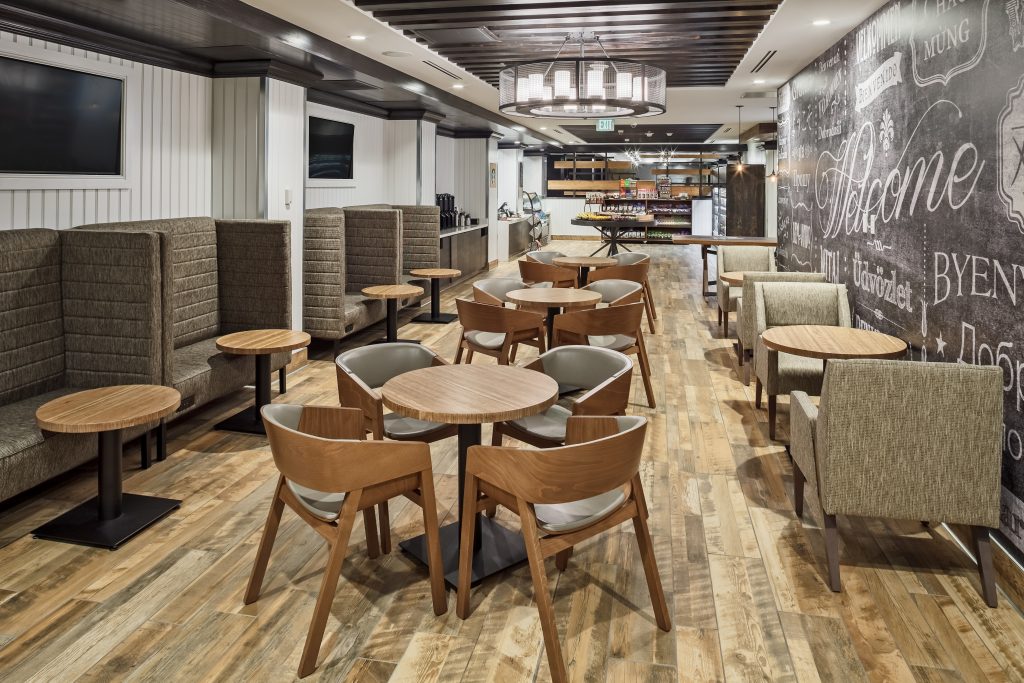
Light is one of the most powerful shapers of atmosphere. Natural light fills a room with vitality, helping us feel more awake and engaged. When daylight is limited, artificial lighting steps in to create the mood, warm and gentle for relaxation, bright and cool for focus. The best spaces use light in layers, balancing brightness with softness so rooms feel adaptable throughout the day.
3. Color Psychology
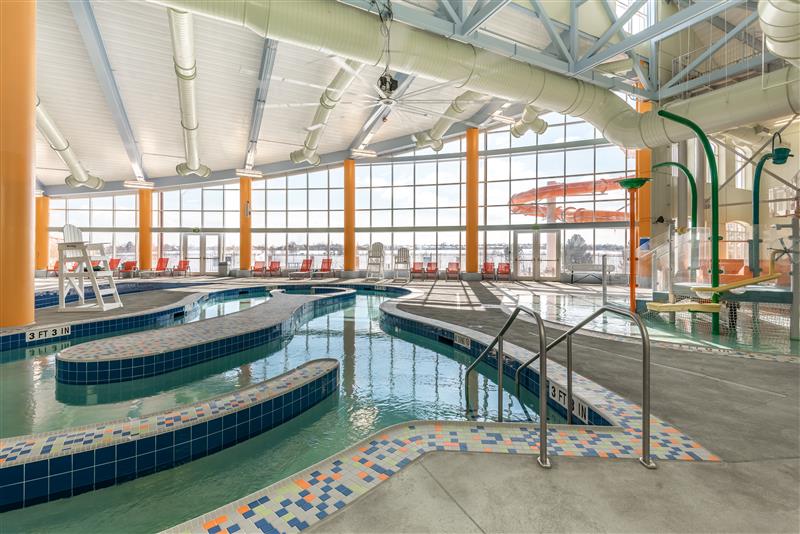
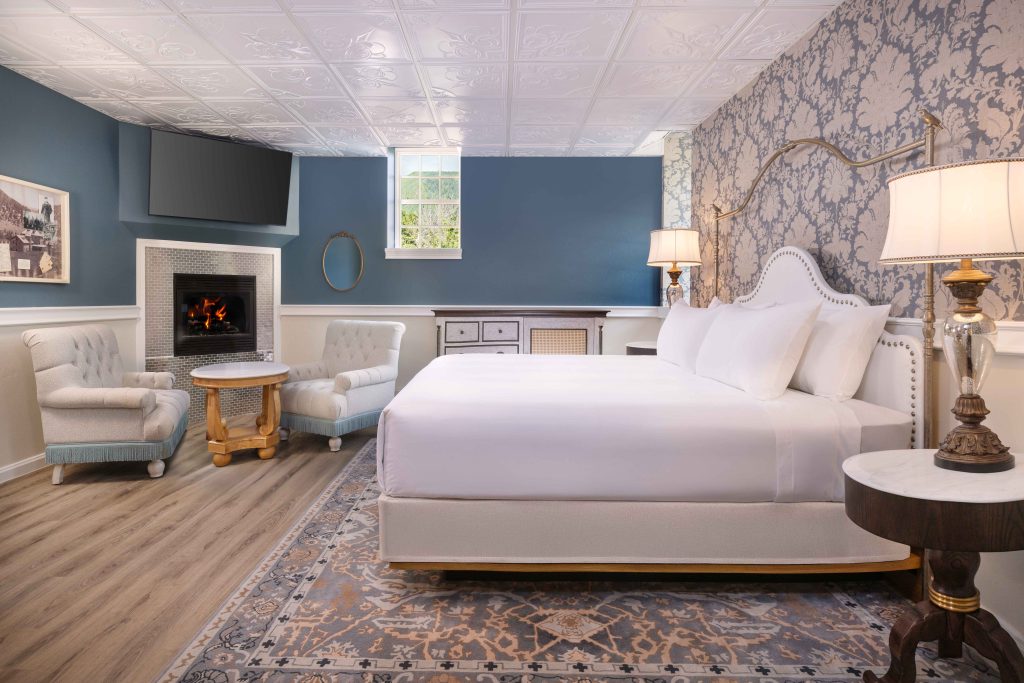
Color is an unspoken language in design. Blues calm the mind, reds energize, greens connect us to nature, and yellows brighten our spirits. Choosing colors with intention turns rooms into experiences, a bedroom that feels restful, a dining space that sparks lively conversation, a study that fosters concentration. When color supports the purpose of the room, the entire environment works in harmony.
4. Biophilic Design: Connecting with Nature
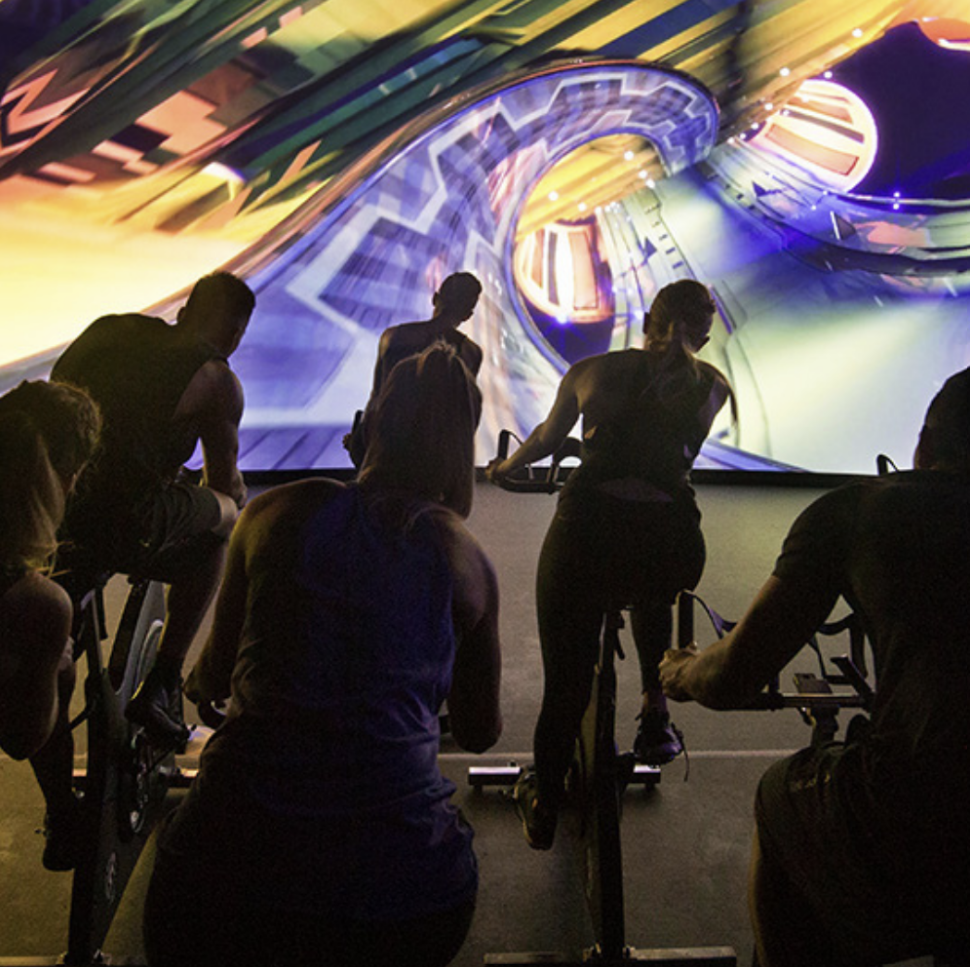
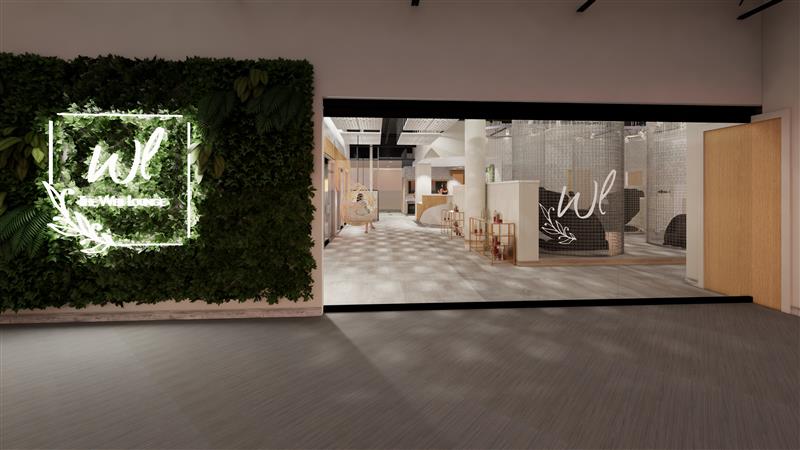
We are instinctively drawn to nature, and bringing it inside can transform our state of mind. A glimpse of greenery, the warmth of natural wood, or the sound of flowing water can lower stress and restore focus. Plants not only beautify but also clean the air. Even subtle touches such as a woven basket, a stone countertop, or a skylight can evoke a sense of calm and connection to the world outside.
5. Texture and Sensory Experience
We do not just see design, we feel it. A plush rug underfoot, the coolness of stone, the smoothness of polished wood, each texture sends its own signal. Layering textures adds depth and dimension, making spaces more inviting and more memorable. The right tactile mix can shift a space from purely functional to emotionally resonant.
6. Clutter and Mental Well being
Visual chaos creates mental chaos. Clutter can drain energy and heighten stress, while organized spaces allow the mind to rest. Built in storage, thoughtfully chosen furnishings, and simple, clean lines give breathing room, both literally and emotionally. When our surroundings are in order, it is easier to feel centered and clear headed.
7. Personalization: Creating a Sense of Ownership
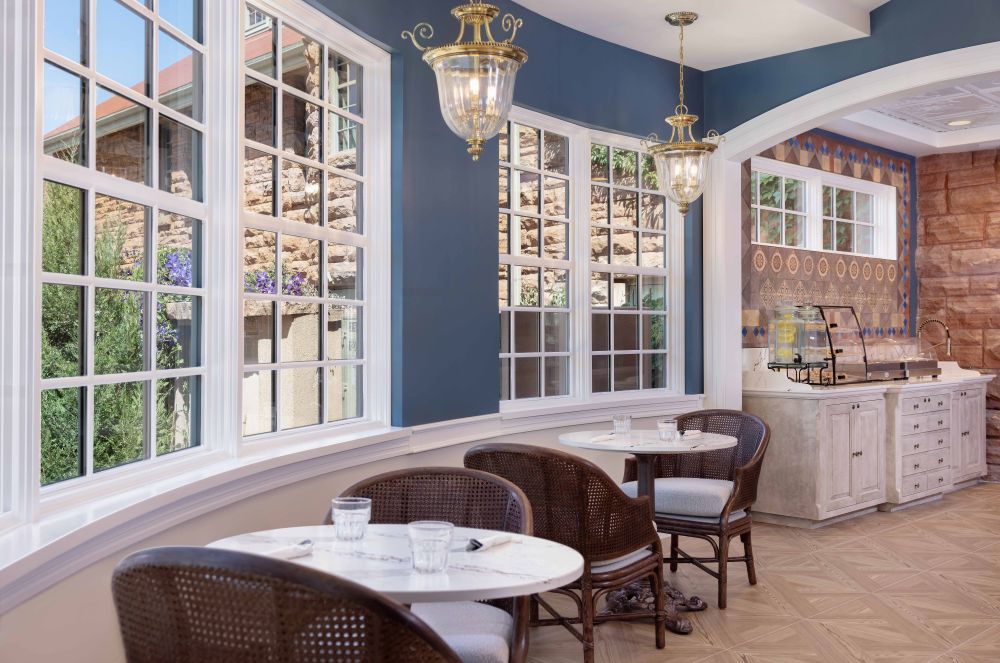
Spaces feel most comforting when they tell our story. A favorite chair, an heirloom vase, or art collected over the years all create a sense of belonging. Personal touches turn a house into a home, a workspace into a place of pride. When design reflects the people who inhabit it, it becomes not just a setting but part of their life experience.
Design is more than arranging furniture or picking paint colors. It is about creating spaces that care for the people within them.
By thoughtfully weaving together layout, lighting, color, nature, texture, organization, and personal meaning, we can shape environments that feel good, work well, and truly support our well being. That is the heart of the psychology of space.

About the Author
Brenda Amsberry is a Principal and Senior Interior Designer, responsible for business development, initiating interior design concepts and directing design development and documentation throughout design and construction.
For additional information contact:
Brenda Amsberry
O: 303.294.9244
M: 303.919.5288
E: bamsberry@olcdesigns.com
Click here for OLC’s Hospitality Design Portfolio
Planning a new hotel, fitness center, or spa? Let’s collaborate to design a welcoming, memorable destination that elevates the guest experience and stands the test of time.
Contact Us Today to Start the Conversation!
marketing@olcdesigns.com